

The allure of chance
The thrill of uncertainty is one of the key elements driving individuals to casinos. Gambling inherently involves risk, and the prospect of winning, however slim, creates a powerful draw. This phenomenon is often referred to as the «gambling high,» where players experience a rush of adrenaline as they take a chance on their bets. For those seeking additional excitement, online casino canada fast withdrawal options can enhance their gaming experience, compelling many to return for another round of excitement. In this context, people become enamored not just with winning but with the gambling process itself, finding satisfaction in the act of playing.
Moreover, psychology plays a substantial role in how the human brain processes rewards and losses. When someone places a bet, the brain releases neurotransmitters such as dopamine, which fosters feelings of pleasure and reward. This neurological response is akin to that experienced with other forms of excitement, such as extreme sports or even social media interactions. The allure of this biological reward system often fuels repetitive gambling behavior, as players chase that fleeting high with each turn of a card or spin of a wheel. This chase creates a cycle where the anticipation of winning becomes just as thrilling as the act of winning itself.
Additionally, casinos are designed strategically to enhance this allure. From the flashing lights to the captivating sounds of coin drops and cheers, every element is curated to create an immersive experience. This sensory overload not only maintains player engagement but also fosters a sense of community among other gamblers, who share in the highs and lows of their experiences. The environment is meticulously crafted to keep players inside and engaged, contributing to the magnetic attraction of casinos as not just gambling venues but entertainment destinations that stimulate the senses and emotions.
The role of social interaction
Casinos are more than just venues for gambling; they serve as social hubs where individuals can engage with others in shared pursuits of luck and fortune. The social aspect of gambling can be particularly appealing, as it allows people to connect over a common interest. Whether it’s a casual conversation at the slot machines or a heated discussion about strategy at a poker table, these interactions create a unique camaraderie among players. This social bonding can make the gambling experience significantly more enjoyable and fulfilling, transforming solitary activities into shared adventures.
Furthermore, the environment in casinos is designed to foster interaction. Many establishments feature bars, restaurants, and lounges, providing ample opportunities for guests to socialize outside of gaming. This setting allows players not only to enjoy the games themselves but also to form new friendships and engage in lively discussions. The ability to meet new people and share experiences can often outweigh monetary motivations for many gamblers, as the sense of belonging and community becomes a critical part of the experience, enriching their time spent at the casino.
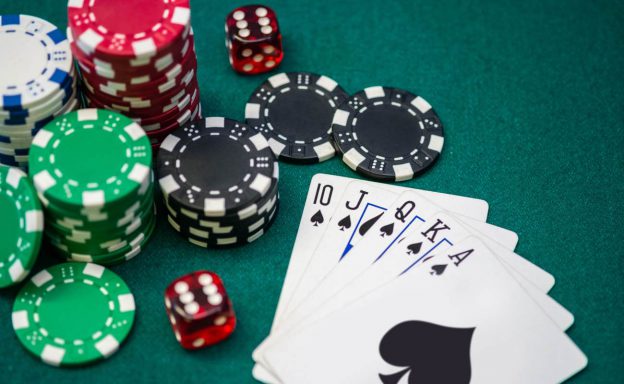
Additionally, the competitive nature of gambling can serve as a motivating factor for social interaction. Players often find themselves rooting for each other during games or sharing their strategies and tips. This sharing of knowledge can create an engaging dynamic that enhances the overall experience, encouraging individuals to return not just for the games but for the community they have built. As a result, the social interactions fostered in casinos significantly contribute to why many people are drawn to these venues, making the experience as much about connection as it is about chance.
The escape from reality
Many individuals turn to gambling as a means of escaping the stresses of daily life. The casino environment offers a temporary refuge, where players can immerse themselves in the thrill of the games and forget their troubles, even if just for a little while. This form of escapism can be particularly enticing for those dealing with high levels of stress, anxiety, or dissatisfaction in their personal lives. In this context, gambling becomes a coping mechanism, allowing individuals to detach from their reality and engage in an alternate experience filled with excitement and adrenaline.
In some cases, the allure of gambling as an escape is further enhanced by the potential for financial gain. The idea that a single bet could change a person’s life creates a captivating fantasy, encouraging players to dream about the possibilities that lie beyond their current circumstances. This often leads players to see gambling not merely as a game of chance but as a viable opportunity for improving their situation. While the odds may be against them, the hope of hitting a big win can be enough to draw them back time and again, reinforcing their desire to play.
However, it’s essential to approach this escapism with caution. What begins as harmless fun may lead some individuals to develop unhealthy gambling habits. The thrill of the game can morph into a dependency where the player relies on gambling as their primary source of pleasure and escape. This can ultimately have detrimental effects on their overall well-being, highlighting the need for individuals to maintain a balanced perspective when engaging in gambling activities. Understanding this psychological interplay is crucial for responsible gaming, as it helps players recognize when their escapism may be crossing into harmful territory.
The influence of cognitive biases
Cognitive biases significantly affect gambling behavior and contribute to why individuals engage in these activities. One common bias is the “illusion of control,” where players believe that they can influence the outcome of games that are strictly based on chance. For instance, someone playing a slot machine may think that they can control the odds by timing their bets or using specific patterns. This misleading sense of control can lead to increased gambling, as players feel empowered to influence their results, often disregarding the inherent randomness of the games.

Another prevalent cognitive bias is the “gambler’s fallacy,” which refers to the belief that past events can influence future outcomes in games of chance. A player might think that because a number hasn’t appeared in a while, it is more likely to come up in the next round. This type of thinking can lead to irrational betting behavior, as individuals chase losses or increase their bets in hopes of breaking a perceived streak. Such biases illustrate the intricate ways in which human cognition can distort perceptions of chance and risk, ultimately perpetuating gambling behavior and leading to misguided decision-making.
Understanding these cognitive biases is vital for developing effective gambling strategies and promoting responsible gaming. Recognizing that luck is the primary factor in most gambling situations can help individuals mitigate irrational beliefs and make more informed decisions. By fostering a clearer understanding of chance versus skill, players can enjoy gambling in a healthier and more balanced way, enhancing their overall experience while minimizing the risks associated with excessive gambling. Cultivating critical thinking about their own gambling practices can empower players to play more responsibly and enjoyably.
Responsible gambling and awareness
As the allure of casinos and the psychological factors driving gambling have become more widely recognized, the importance of responsible gambling has gained significant attention. Many casinos now promote awareness campaigns and programs aimed at educating players about the risks associated with gambling and the signs of problem gambling. These initiatives encourage individuals to reflect on their gambling habits and take proactive steps to maintain control over their gaming activities, emphasizing that while gambling can be entertaining, it should remain a fun and manageable pastime.
Education is a powerful tool in promoting responsible gambling. By disseminating information regarding the odds of different games, potential risks, and effective money management strategies, casinos empower players to make informed decisions. This knowledge helps to counteract some of the cognitive biases that may lead to excessive gambling, fostering a healthier relationship with gaming. The availability of resources, such as self-exclusion programs and counseling services, is also crucial for individuals who feel that they need additional support in managing their gambling habits, ensuring they have access to help when needed.
Ultimately, cultivating a culture of responsible gambling is beneficial not just for players but for the industry as a whole. By promoting awareness and providing support, casinos can enhance the overall experience for their patrons while reducing the negative consequences associated with problem gambling. As awareness continues to grow, the hope is that gambling can be enjoyed as a form of entertainment rather than a source of distress, allowing individuals to navigate their gaming experiences with both enjoyment and caution. In this way, the industry can foster a sustainable environment where responsible gaming thrives.
